What is D-Box Theater? Is it Worth Watching?
By Robert Jones · 2022-06-07
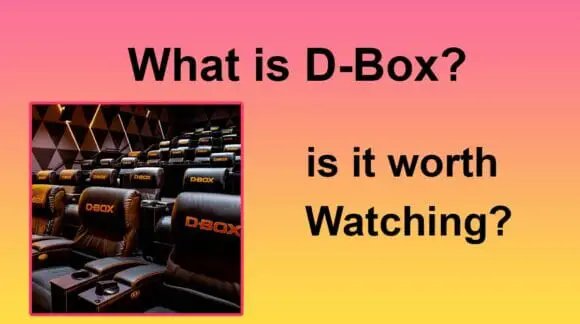
Right, D-Box. You've seen the ads, probably. Seats that move with the film? I've had a go, and as an old audio engineer, I've got some thoughts on whether it's a gimmick or genuinely adds to the flick.
Right then, D-Box. You’ve probably seen the adverts, or maybe even walked past a cinema showing a film with "D-Box" plastered all over it. It's one of those bits of tech that promises to drag you kicking and screaming into the film itself, rather than just sitting there with your popcorn. As someone who's spent more than a few decades fiddling with vibrations and sound, my ears perked up, or rather, my backside did, when I first heard about seats that move with the action on screen. It's a bit like a glorified massage chair, but for film buffs. But is it any good? Does it genuinely add anything, or is it just another gimmick to get a few extra quid out of your wallet? **Quick Verdict: It's a fun, albeit pricey, novelty for specific blockbuster films, but not essential for every trip to the flicks.**  *What is D-Box Theater? Is it Worth Watching? — tested in the SpeakersMag workshop.* ## What Exactly is D-Box, Then? So, D-Box is a fancy bit of kit, really. It’s a motion system built into cinema seats, designed to synchronise with the action unfolding on the big screen. Think of it like this: if there’s a car chase, your seat might tilt, vibrate, and even rumble to mimic the feeling of speed, bumps, and collisions. Explosion? You'll feel a jolt. Spaceship launching? Expect a thrusting sensation in your back. It’s all about adding that extra layer of immersion, using haptic feedback to make you *feel* the movie, not just see and hear it. Now, it's not just a random shaker. Each film that supports D-Box has its own unique motion code, meticulously programmed frame by frame. It’s like the sound engineer and the director have added another track to the film – a motion track. That’s why you can’t just walk into any old D-Box cinema and expect a universal experience; it’s specific to the film you’re watching. They've been around for a good while now, popping up in various cinemas, mostly the bigger chains. I first properly sat in one back in 2012, I think it was, for a particularly loud superhero flick. My expectations were… mixed, to say the least. ## My First Wobble with D-Box I’ve got to admit, the first time I tried D-Box, I went in a bit cynical. I’ve seen countless "immersive" technologies come and go, promising the moon and delivering a rather wobbly chair. This was for some big action film, explosions left, right, and centre. I was with my lad, who was probably about 12 at the time, and he was buzzing. Me? I was mostly worried about spilling my overpriced Tango. What hit me was the sheer intensity. It wasn’t just a gentle shimmy. When a car crashed, it felt like someone had given my seat a good kick. When a plane took off, I genuinely felt pushed back. The chair tilts, pitches, and rolls. It vibrates. There are even subtle textural vibrations that are supposed to mimic things like walking on different surfaces. It was… a lot to take in. My lad loved it, mind. Said it was "epic". I was more like, "Right, I need to grip my drink a bit tighter." It’s got different intensity levels, too. Most D-Box chairs have a little control panel on the armrest, so you can dial it up or down. That’s a sensible touch, because I can tell you, some scenes on full pelt are a bit much if you’re not prepared. For delicate folk, or those prone to motion sickness, being able to turn it down or even off is a godsend. I kept mine at about 75% for that first film, just to get the full flavour without feeling completely rattled. ## How It Stacks Up Against Other Cinema Gimmicks We’ve had 3D, we’ve had IMAX, we’ve had ridiculously expensive gourmet hot dogs. D-Box is another one of those premium add-ons. 3D, for me, died a bit of a death. It was cool for Avatar, then it just became a way to make films darker and give you a headache. IMAX, though, now *that's* something different. A proper, huge screen, incredible sound system – that’s an experience I’ll pay extra for, especially for the right film. D-Box sits somewhere in between. It’s not just a visual or auditory upgrade; it's tactile. It taps into a different sense. That’s its unique selling point. Does it make the film *better*? That’s where it gets subjective. Sometimes, it certainly enhances the impact of an action sequence. Other times, it just feels like your chair is having a fit during a quiet dialogue scene because a character just tapped their foot. It really does depend on how well the motion track has been designed for that particular film. ### The Tech Behind the Wobble Without getting too bogged down in the nitty-gritty, each D-Box seat uses a few bits of clever tech. There are electric actuators, essentially motors, that create the movements. These are controlled by the D-Box motion code, which is integrated into the film’s digital projection file. When the projector plays the film, it sends signals to the D-Box server, which then tells each seat what to do and when. Pretty neat, really. They’ve refined it over the years. Early systems could be a bit clunky, a bit sudden. Now, the movements are generally smoother, more nuanced. They can replicate subtle vibrations, gentle glides, and sudden jolts. It’s not just "on or off"; there’s a whole range of motion they can achieve. I’ve always been impressed by how precisely it can sync up. No noticeable lag, which is crucial for immersion. ## D-Box: The Good, The Bad, and The Wobbly Alright, let’s get down to brass tacks. What’s genuinely good about D-Box, and where does it fall a bit short? ### Pros: * **Enhanced Immersion:** For the right film – think high-octane action, sci-fi, or anything with a lot of movement – it genuinely pulls you into the experience. You feel the explosions, the speed, the impacts. It’s hard to deny it adds *something*. * **Novelty Factor:** If you’ve never tried it, it’s a fun, unique way to watch a film. A bit of a treat, especially if you’re out with mates or on a date night. It’s definitely memorable. * **Adjustable Intensity:** Being able to dial the motion down (or off) is a big plus. Not everyone wants to be rattled senseless for two hours, and some films might benefit from a lighter touch. * **Precise Synchronisation:** The motion is surprisingly well-timed with the on-screen action. No obvious delays, which really helps maintain the illusion. ### Cons: * **The Price Tag:** This is the big one. D-Box tickets always come with a premium. We’re talking an extra £4-£7 on top of an already pricey cinema ticket. For a family of four, that adds up to a fair bit, making it a rare indulgence rather than a regular thing. * **Can Be Distracting:** For some, the constant movement can actually take away from the film, rather than add to it. If you’re trying to focus on dialogue or subtle acting, a rumbling seat can pull you right out of the moment. I've found myself more aware of the chair than the plot at times. * **Film Dependent:** It really only shines with certain genres. A quiet drama? Forget about it. A thoughtful indie film? Absolutely pointless. It’s designed for explosions, car chases, and things falling over. A lot of films just don’t have enough dynamic motion to justify the D-Box treatment. * **Potential for Motion Sickness:** If you’re prone to feeling a bit queasy on rides or in cars, D-Box might not be for you. Even with the adjustable intensity, the constant movement can be unsettling for some. * **Limited Availability:** Not every cinema, or even every screen in a cinema, offers D-Box. You often have to seek it out, which can limit your film choices or showtimes. ## Who It’s For and Who Should Skip It ### Who it's for: * **Action movie fanatics:** If you live for car chases, superhero smackdowns, and big explosions, this is designed for you. It genuinely elevates those moments. * **First-timers looking for a novelty experience:** If you’ve never tried it and want to see what all the fuss is about, go for it. It's a bit of fun. * **Parents with kids who love a bit of excitement:** Kids generally go mad for it. My lad certainly did. It adds an extra layer of engagement for younger viewers. * **People with disposable income looking for a premium cinema experience:** If an extra fiver for a film isn't a big deal, then why not give it a whirl? ### Who should skip it: * **Budget-conscious filmgoers:** The extra cost is significant. There are better ways to spend your money on a cinema trip if you're on a tight budget. * **Those prone to motion sickness or headaches:** Seriously, save yourself the discomfort. It’s not worth feeling rubbish afterwards. * **Anyone going to see a drama, romance, or dialogue-heavy film:** You'll barely notice it, and if you do, it'll just be a distraction. Save your money. * **Film purists who prefer an unadulterated viewing experience:** If you like to focus purely on the visuals and sound without external interruptions, this isn't for you. ## Practicalities: Finding and Using D-Box Finding a D-Box screening isn